High security · Centennial
High Security Locks in Centennial
After the attempted break-in the police officer pointed at your door and said the strike plate was held by two short screws. Nobody got in, but you have looked at that door differently every evening since.
High Security Locks
In plain words
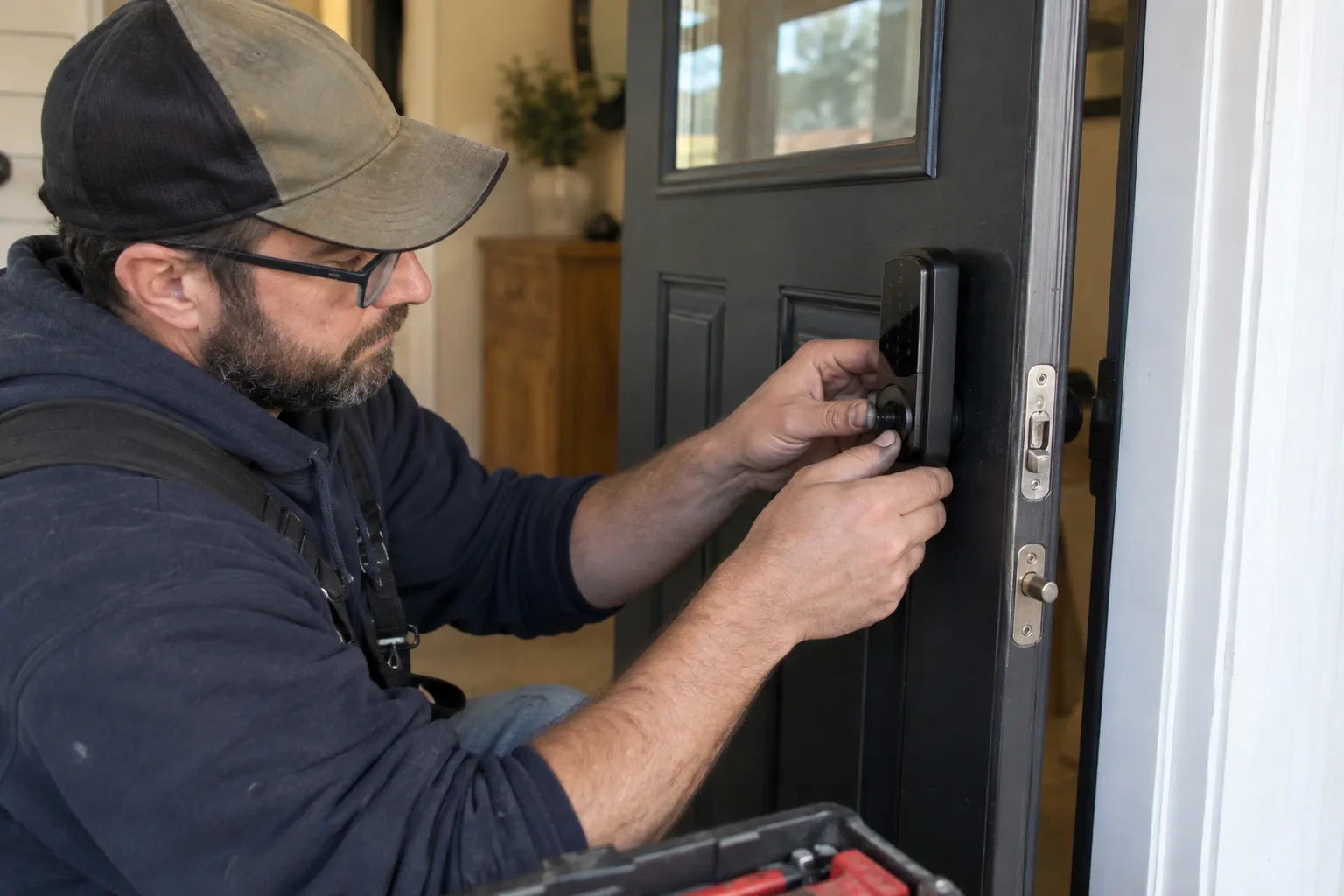
A high security cylinder is rated by independent laboratory testing that times how long it holds out against picking, impressioning, drilling, prying and wrenching. The lock body and deadbolt carry a separate hardware grade for strength, cycle life and finish. A locksmith reads those ratings for you and matches them to your door, because a rating on the box means nothing if the door frame is thin or the bolt barely enters the jamb. The visit usually ends with a heavier deadbolt, a reinforced strike fastened into the framing and a cylinder whose keys cannot be copied at a kiosk.
How the visit goesYou run a home office with client files and equipment, and your insurer has asked what kind of lock is on the door. The honest answer is the builder's knob lock and a light deadbolt from when the house was new.
Centennial
How the visit goes
What the door is protecting
The assessment starts with a question rather than a tape measure: what is behind this door, and what has made you think about it now? A front door on a family home, a stockroom with prescription drugs and a server closet in an office carry different risks and deserve different levels of hardware. The locksmith also asks who has keys today and how sure you are of that count. Those answers decide whether the right answer is a graded deadbolt with a controlled key, a laboratory-rated cylinder in a heavy lock body, or a small keyed system across several doors. Spending goes where the risk actually sits.
Testing the whole assembly
The finish is a methodical test. Every key is cycled in every lock from both sides, with the door open and then closed and latched. The bolt is watched entering the strike pocket to confirm it throws fully and does not drag. The door is pushed and pulled while locked to feel for play at the strike or hinges. Cylinders receive a dry lubricant approved for their mechanism. Then the locksmith walks you through the operation, the key control documents and the record of hardware fitted, so you know both how to use the door and how to order the next key.
Watching the patent calendar
Patented keyways protect you for as long as the patent lasts. When it expires, blanks may be sold openly and the copy-control layer weakens, though the mechanical resistance of the cylinder stays. The locksmith notes the patent term of your system at handover so the date is not a surprise. Many years before it arrives, the same hardware can usually be moved to a newer patented keyway by changing cylinders and keys while the lock bodies stay. Treat it like a roof: nothing needs doing for a long while, but the date is written down.
High Security Locks
In the van
- Box strike
- Graded deadbolt with hardened bolt
- Key control authorisation card
- Pinning kit and plug follower
- High-security cylinder
What affects the quote
Same fees day, night or weekend
1Glass near the lock
Sidelights or glazed panels beside the deadbolt may call for a different function or extra hardware to keep the inside turn out of reach, always keeping easy exit in view.
2Documentation and registration
Setting up the key register, recording signatories and providing a written schedule of cylinders and keys is real work on a business system and is listed rather than hidden.
3Retiring the old keyway
If other doors stay on the old key for now, they may need rekeying so an unknown copy has nowhere to go; that is additional cylinder work alongside the upgrade.
High Security Locks: questions
Why does the locksmith care so much about the strike plate?
Because that is where a kicked door fails. The bolt is strong, but it sits in a pocket in the jamb held by a thin plate and short screws, and a boot splits the wood around it. A reinforced strike or box strike fastened with three-inch screws into the wall framing spreads the blow along the frame. It is the least visible part of the upgrade and often the one that does the most.
Will my door look different afterwards?
Barely. A high security cylinder sits in the same place as the old one and is usually distinguished only by a different keyway shape and sometimes a hardened collar. A graded deadbolt is a standard-looking deadbolt in your chosen finish. The reinforced strike is longer than the plate it replaces and the wrap-around reinforcer, if used, shows as a neat metal band on the door edge. The difference is felt when you lock up, not seen from the street.
How long does the installation take?
A cylinder swap with new keys on one door is a short visit. A new deadbolt, reinforced strike and frame repair takes longer, and several doors keyed to a plan take longer again, mostly in bench time pinning cylinders. The locksmith gives you a realistic estimate once the doors have been looked at, because the frame condition and the door preparation matter more than the count of locks alone.
High Security Locks
High Security Locks near you
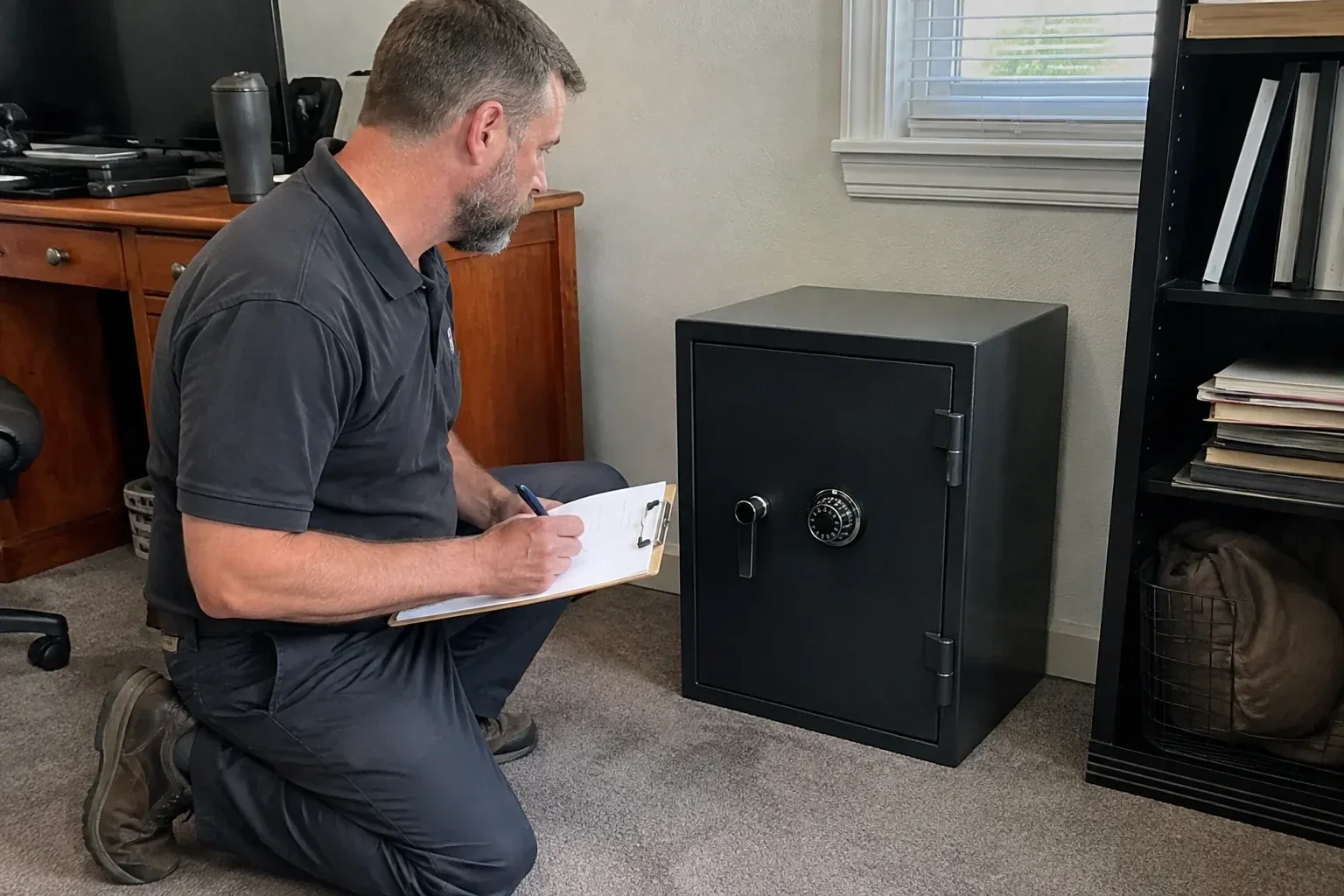
This is the working list of services for Centennial: the jobs a locksmith gets asked to do week in and week out. Lockouts and broken keys. Rekeys and lock changes. Deadbolts, high-security cylinders and smart locks. Commercial hardware and master key systems. Safe opening. And key cutting, house and vehicle alike.