Locksmith in Highland Creek, OntarioLocked out in Highland Creek?Let's get you inside.
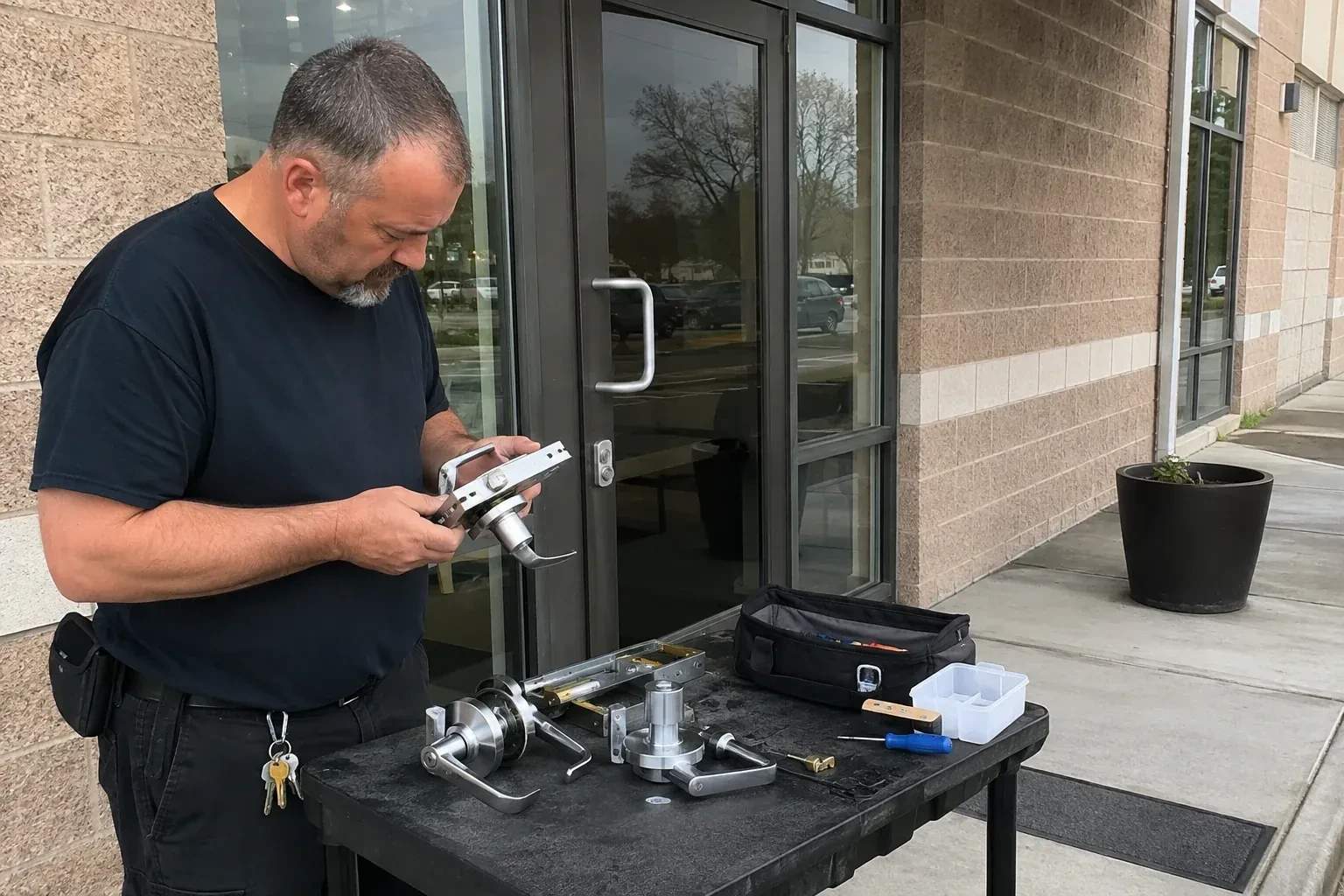
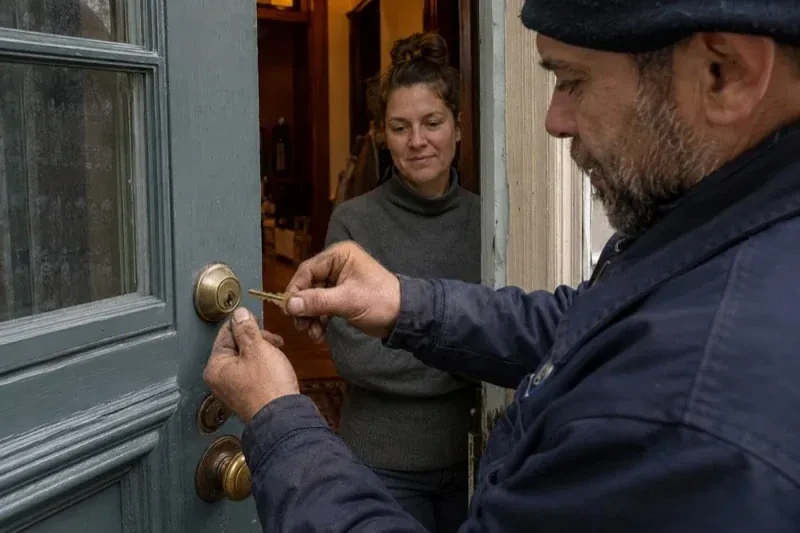
It happens to careful people: the door swings shut, the key is on the kitchen table, and the evening stops. Our locksmith comes to Highland Creek, confirms the home or shop is yours, opens the door without wrecking the lock, and stays long enough to make sure the key you have still works afterwards. We serve Rouge and Rouge Park as well.
Reach a locksmith serving Highland Creek right now
Winter is part of how we work in Highland Creek. Doors swell and shrink, frames shift, keys snap in cold cylinders, and salt finds its way into hardware. We choose lubricants that stay fluid in the cold, set strikes with the seasons in mind, and show you the small habit that stops a key from freezing in the lock.
— Centennial Lock Experts
No surprises on the doorstepWhat we described on the phone is what we plan to do. If the door tells us something different when we see it, we stop and talk before going further.
Helping you choose wellHardware ranges from basic to heavy-duty and simple to electronic. We explain the differences that actually matter for your door and leave the choice with you.
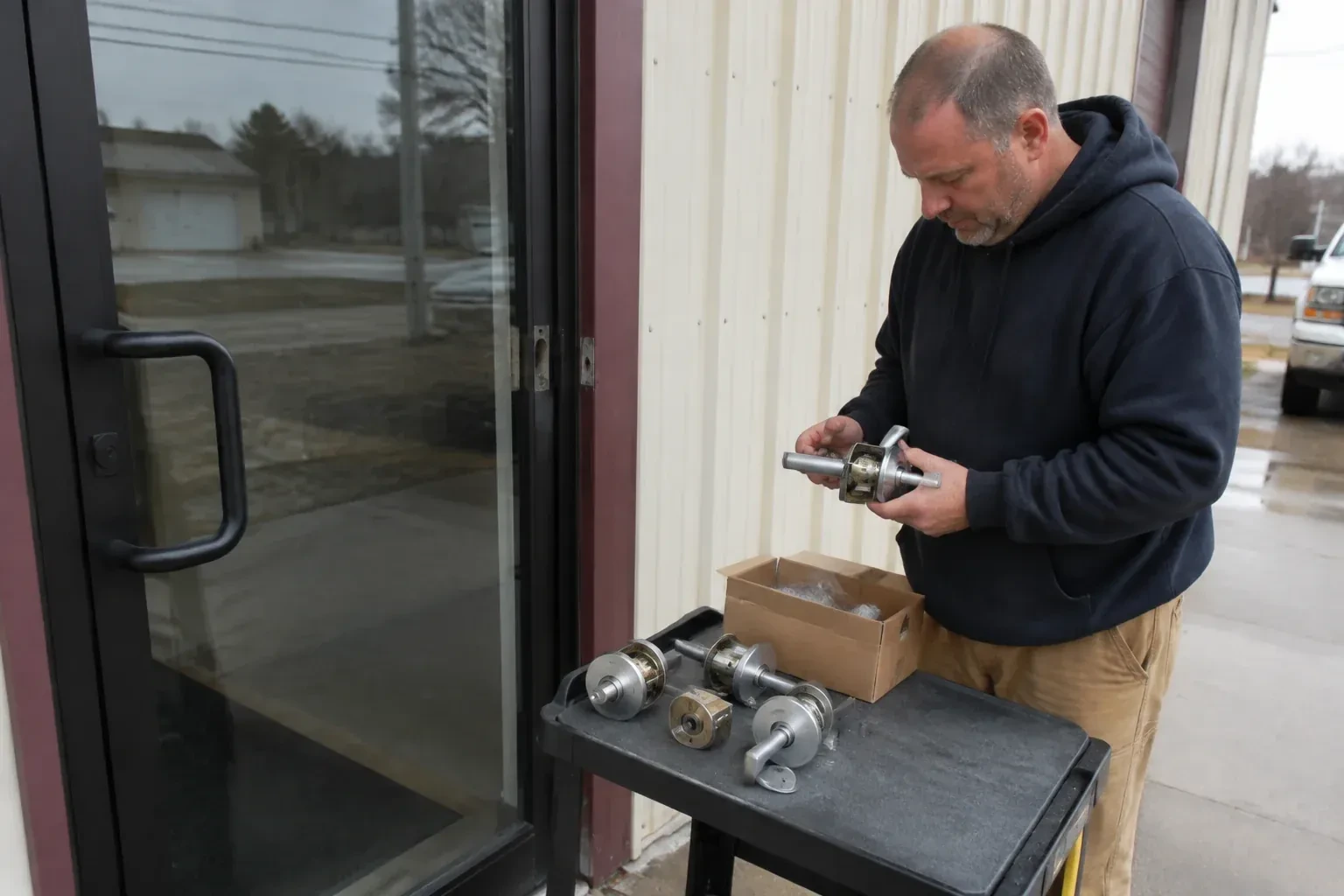
Neat work, neatly finishedHoles drilled cleanly, hardware aligned, nothing crooked or forced. A lock should look like it belongs on the door, and we take the time to make sure it does.
Hours
HoursOpen 24/7
Nights and weekendsSame fees
In business21 years
VisitsOn-site assessment
Locksmith services
Every kind of lock, one call
Whatever brought you to this page from Highland Creek, whether it was a lockout, a lost key, a move, a break-in or simply a door that has annoyed you for months, one of the services below fits. Each is written to tell you what happens, what it involves, and what you have when the locksmith leaves.
About 58% of homes in Toronto were built in 1980 or earlier, according to the 2021 Census.
Older housing means older frames. Wood that has settled for years leaves strikes slightly out of line, so a bolt drags or needs a lift of the handle. A locksmith expects this and brings the shims, longer screws and strike plates to correct it.
23%
Single-detached houses make up about 23% of homes in Toronto (2021 Census).
Attached housing turns over more often than detached, so rekeying between tenants or owners is a constant. Because suite doors tend to be standard, the job is usually a straightforward pin change and a fresh set of keys cut on site.
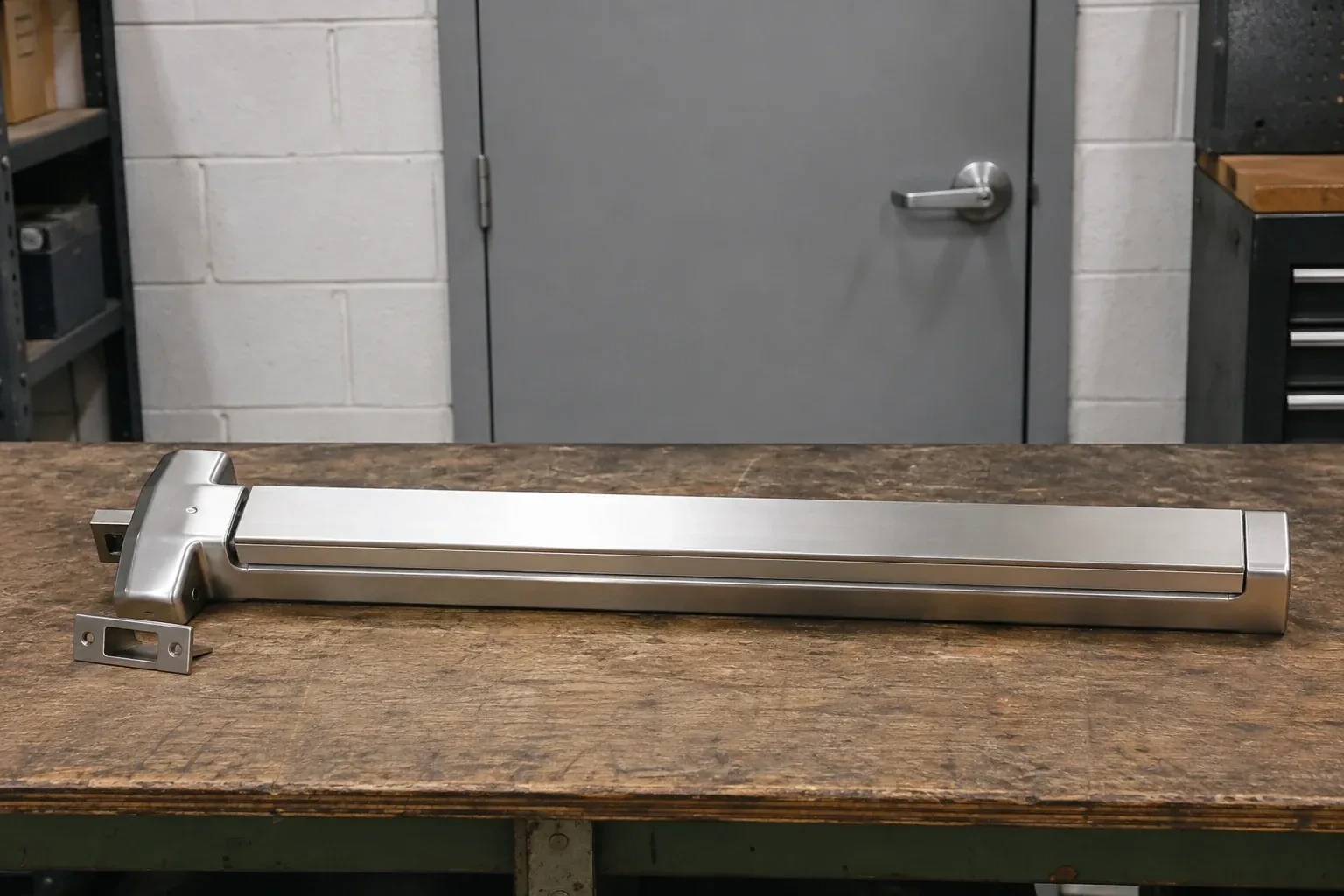
WhyOn storefronts, offices and older houses the hardware is often a mortise lock with a lever, and the jam is frequently inside the case, not the cylinder.
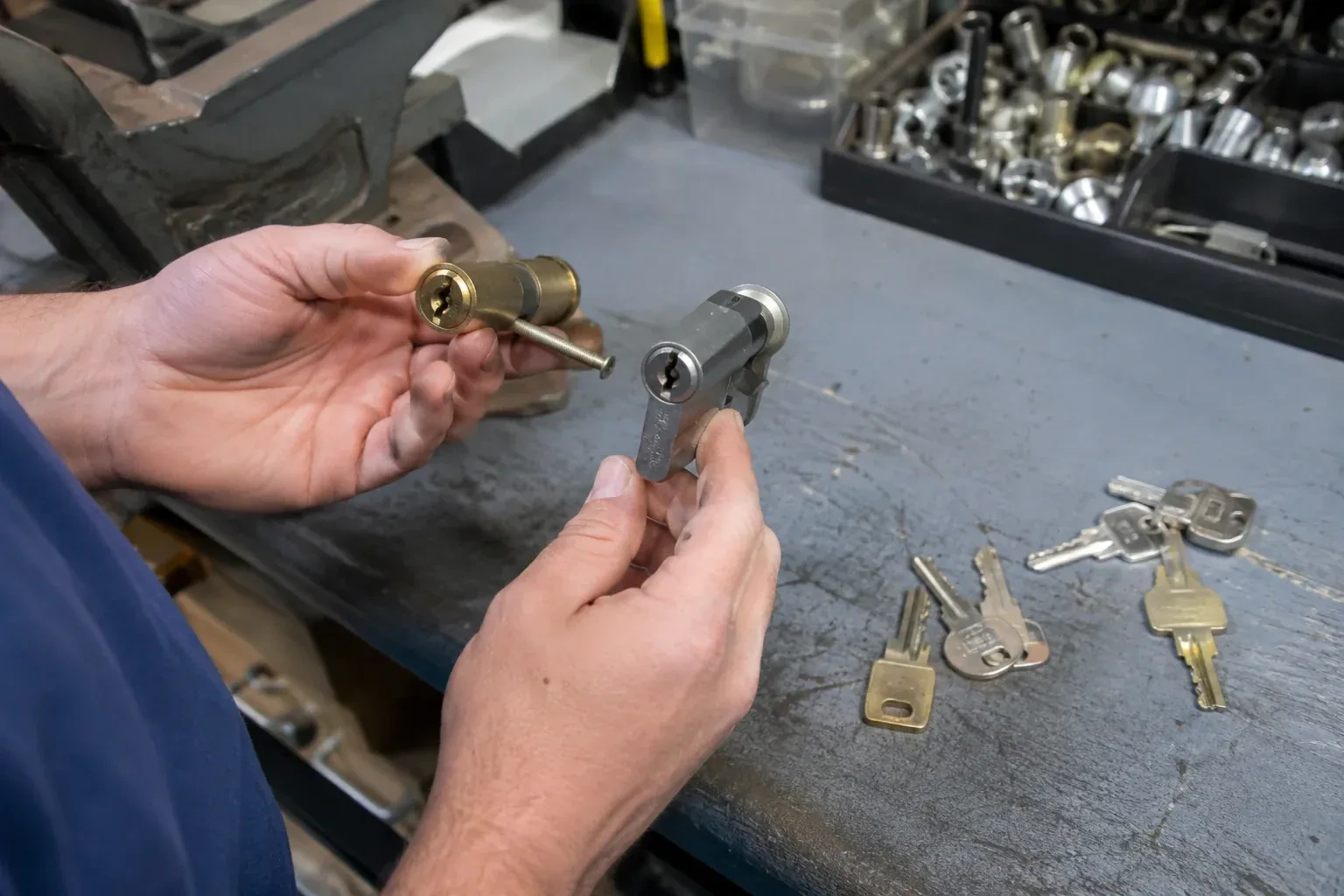
The century home's original mortise lock takes a key the size of a spoon, sticks in humid weather and has worn its strike to a groove.The usual fix
This is the third time this door has locked someone out. Is something wrong with the hardware?
It can be. A cylinder that is worn, a strike plate that has shifted, or a latch that no longer seats squarely will all produce repeat lockouts even though the key looks fine. The locksmith checks the alignment of the door and frame, tests how smoothly the latch throws, and looks at wear inside the cylinder before simply letting you back in. If the hardware is the cause, fixing that during the same visit is usually quicker than calling again next month.
Why does the lock only stick when the door is closed?
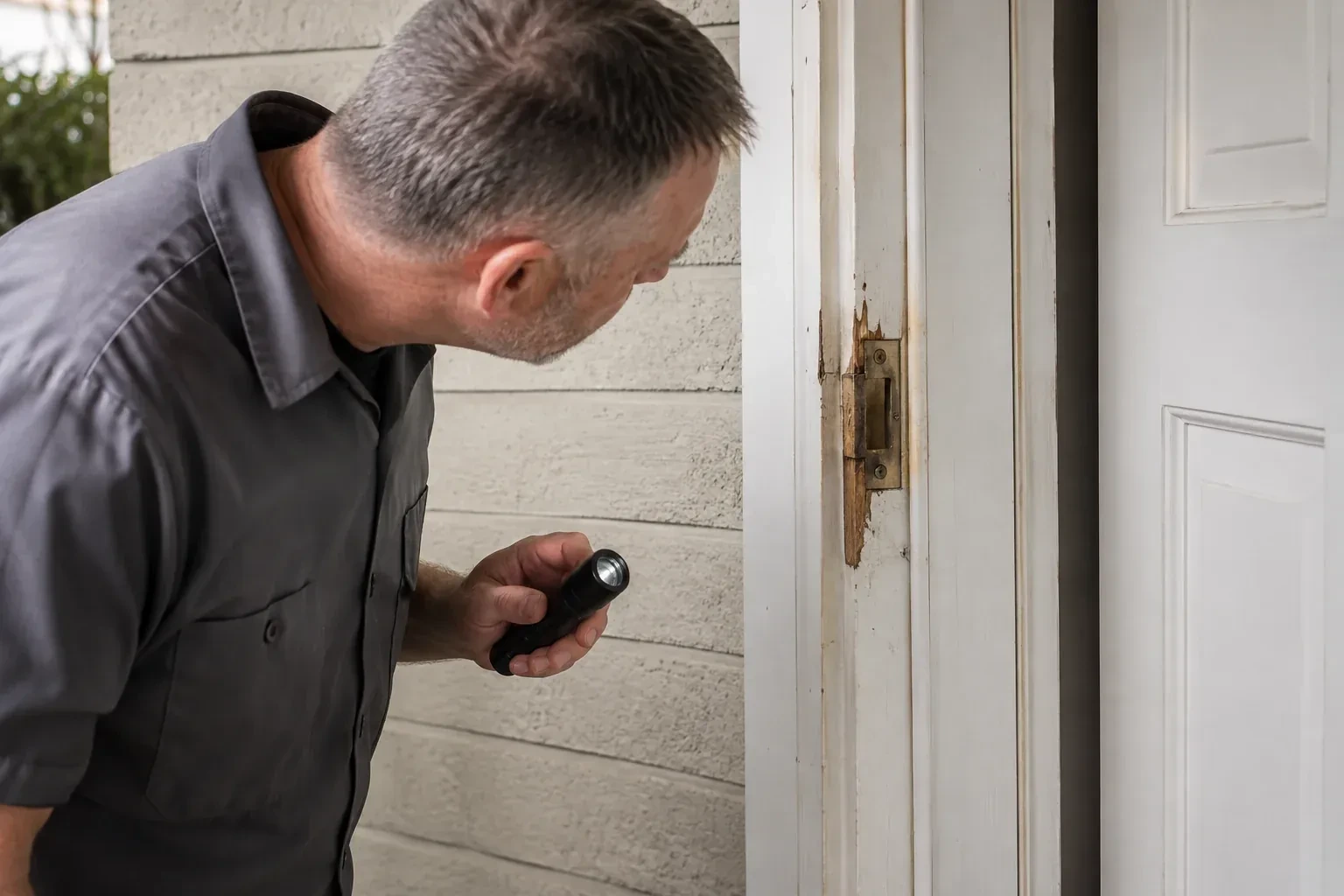
Because with the door open the bolt is throwing into thin air, and with the door closed it is throwing into a pocket that has moved. A door that has dropped on its hinges, swollen with humidity or been pushed out by thick weatherstripping lands the bolt against the edge of the strike plate instead of through the hole. A chalk mark on the bolt shows exactly where it hits, and the fix is on the frame, not in the cylinder.
Can you match the new lock to my other door hardware?
Yes. Manufacturers make deadbolts, handlesets, knobs and levers in matching finishes and styles, so a replacement deadbolt can sit above your existing handle without looking like an afterthought. Bring or photograph the hardware you want to match, including the interior side, and note whether it is a warm brass, a satin nickel, an oil-rubbed bronze or a matte black. Where an exact match is not made, the locksmith suggests the closest family.
How should I look after the lock once it is serviced?
A drop of the right lock oil into the latch and bolt once a year is plenty. If the lock has a pin-tumbler cylinder, use whatever lubricant that cylinder's maker specifies, since some take a dry graphite or PTFE product and others a specified liquid one. Try the latch and deadbolt each spring and fall; if the bolt starts to scrape, the strike wants a small adjustment before anything is strained. Keep bit keys out of a pocket where they bend.
What happens when the batteries die?
The lock warns you well before that point, with a light or tone at the keypad and, on connected models, a message to your phone. If the warnings are missed, a keyed model's mechanical override still opens the door, while a key-free model instead has two small contacts on the outside where a nine-volt battery gives it enough power to accept a code. The locksmith shows you each route your model offers and where the spare batteries and the key should live.
On-site assessment preferred
Request a visit
Talk to us about access for your staff. Ask about a spare key before you need one.
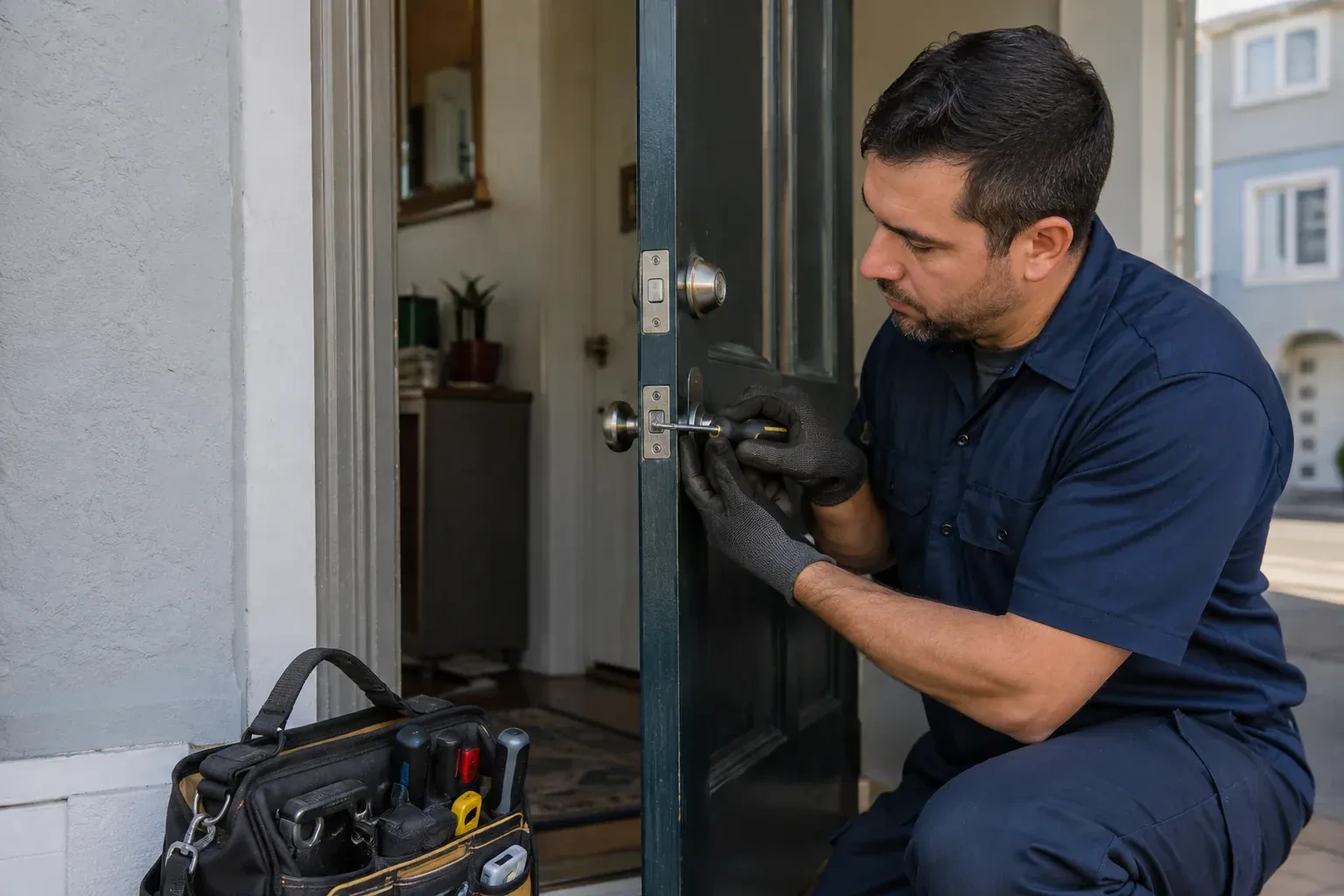
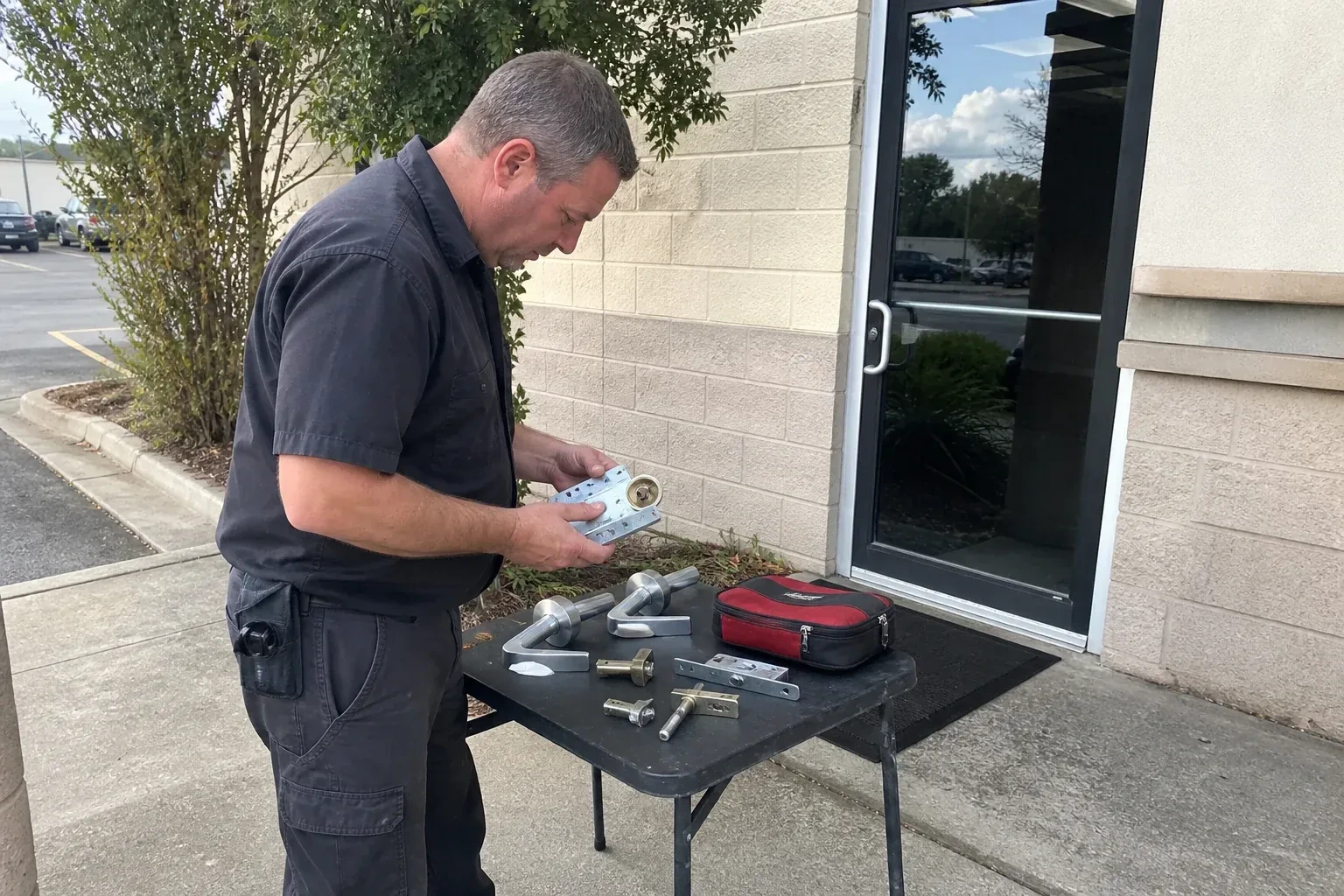 Business Lockout ServiceYou signed the lease on the unit last week and the landlord handed over possession, but the previous tenant's locks are still on…
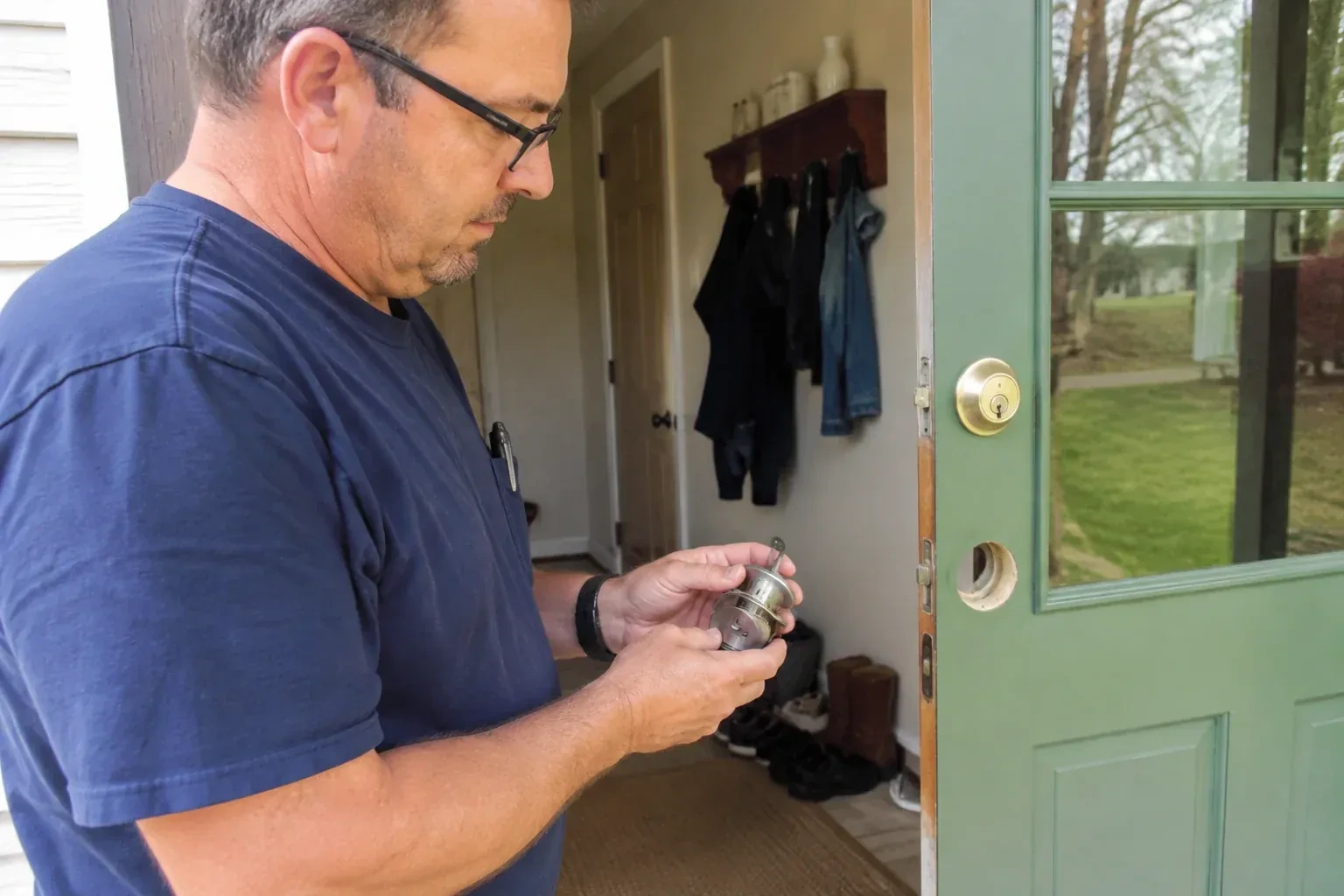 Seized & Jammed Lock OpeningThe old mortise lock on the front door of the house turns the key halfway and stops with a dull clunk.
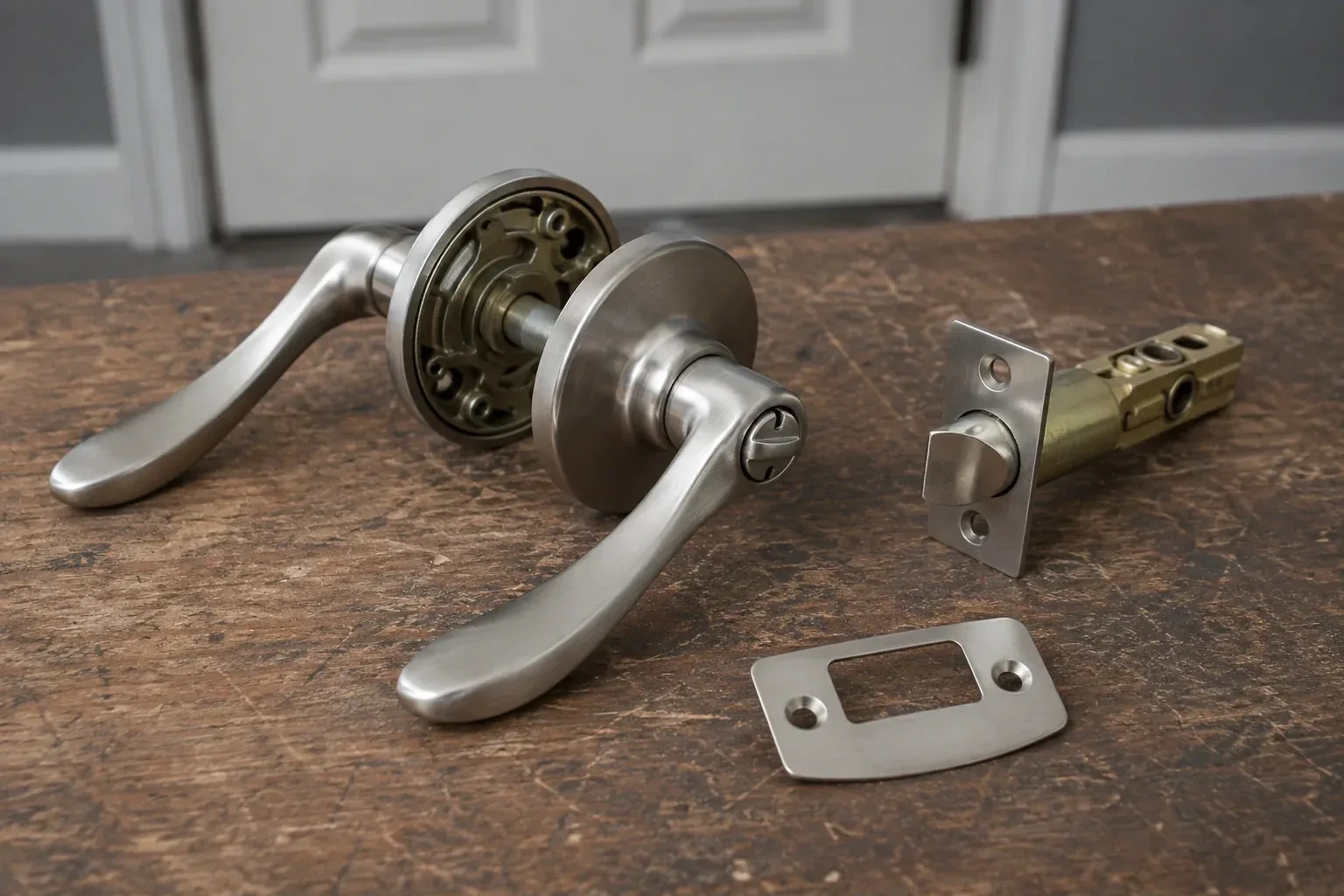 Lock Replacement & UpgradeEvery morning the front door key needs the same little dance: push in, lift, wiggle, turn.
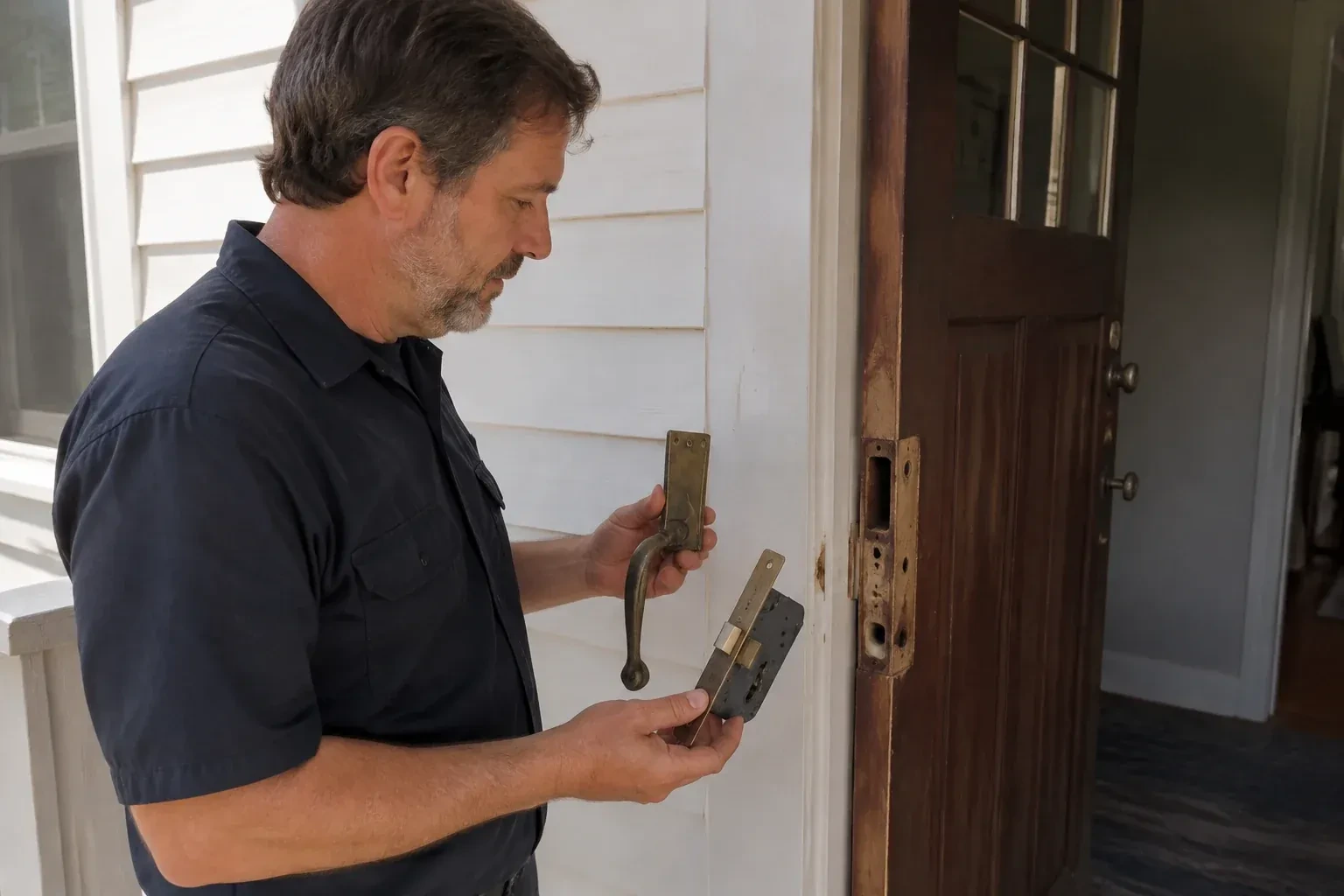 Vintage Mortise Lock ServiceAfter a wet summer the entry door sits lower in its frame.
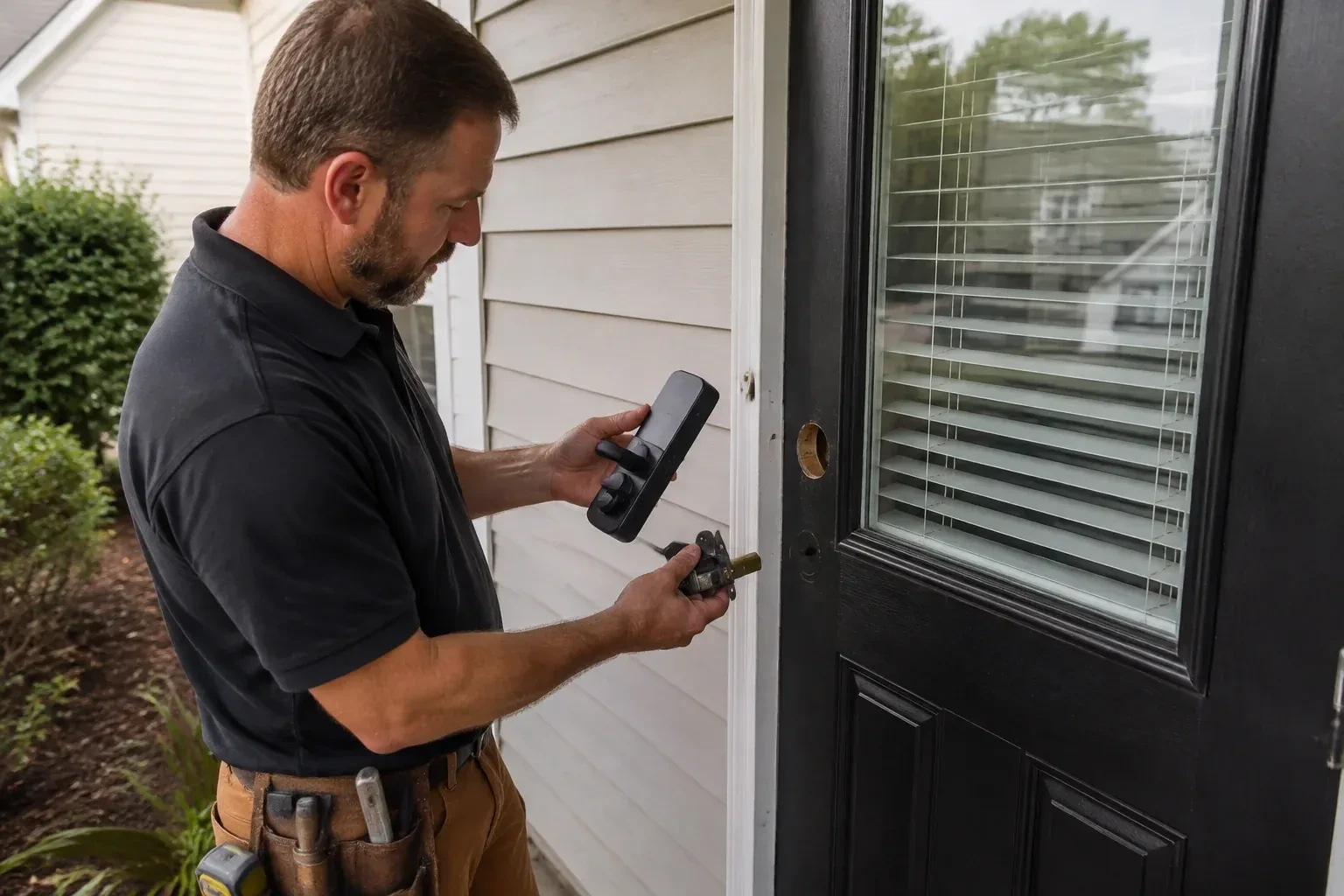 Smart Lock InstallationThere are four copies of the front-door key floating around: one with the cleaner, one with a neighbour, one on a hook at your…
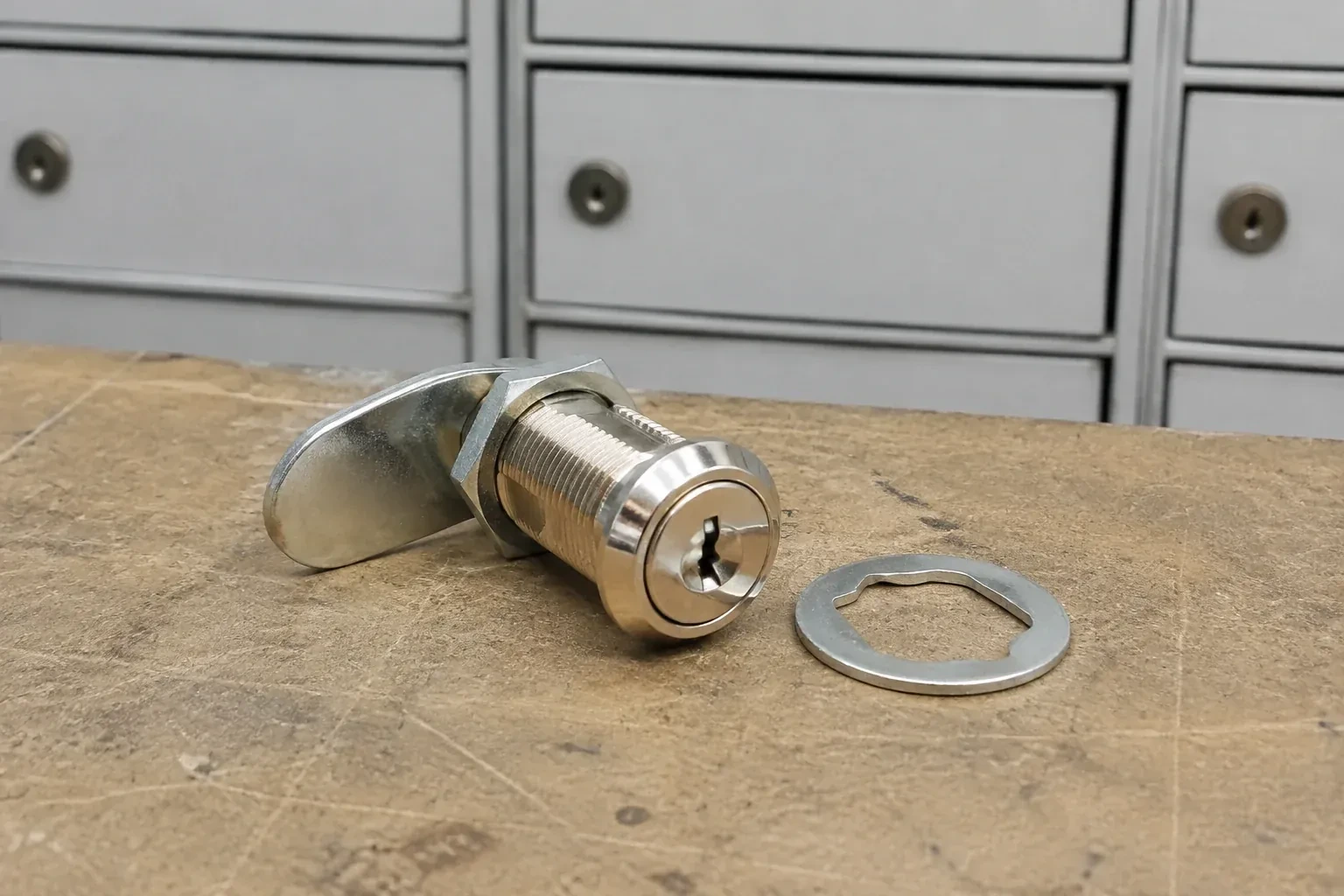 Mailbox Lock ReplacementThe mail slot on the shop's exterior wall has a small compartment lock that a former employee still has a key to, months after…
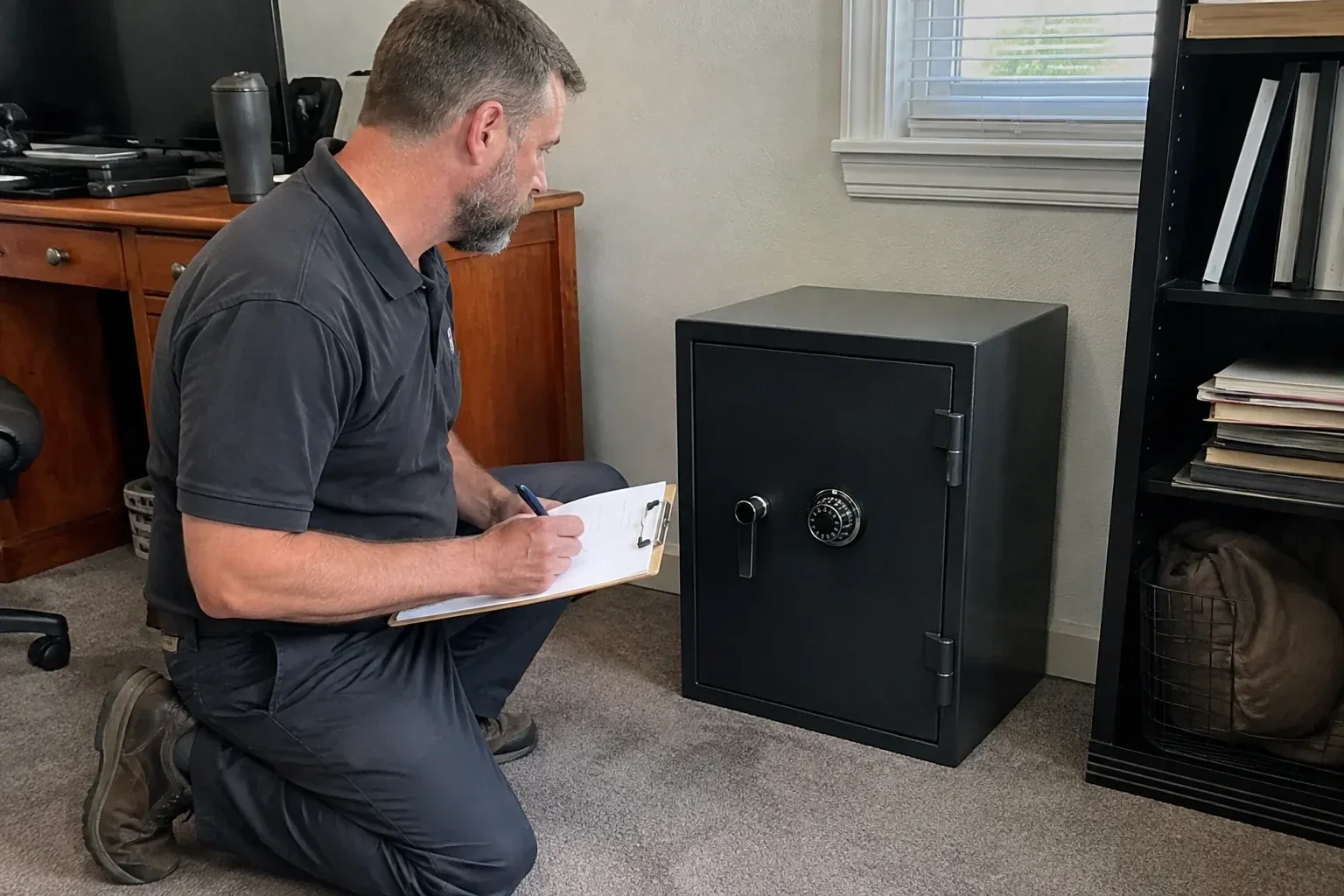 Safe Opening & Combination ChangePry marks circle the dial after an overnight break-in attempt, and the safe now refuses every number that used to open it, as if…
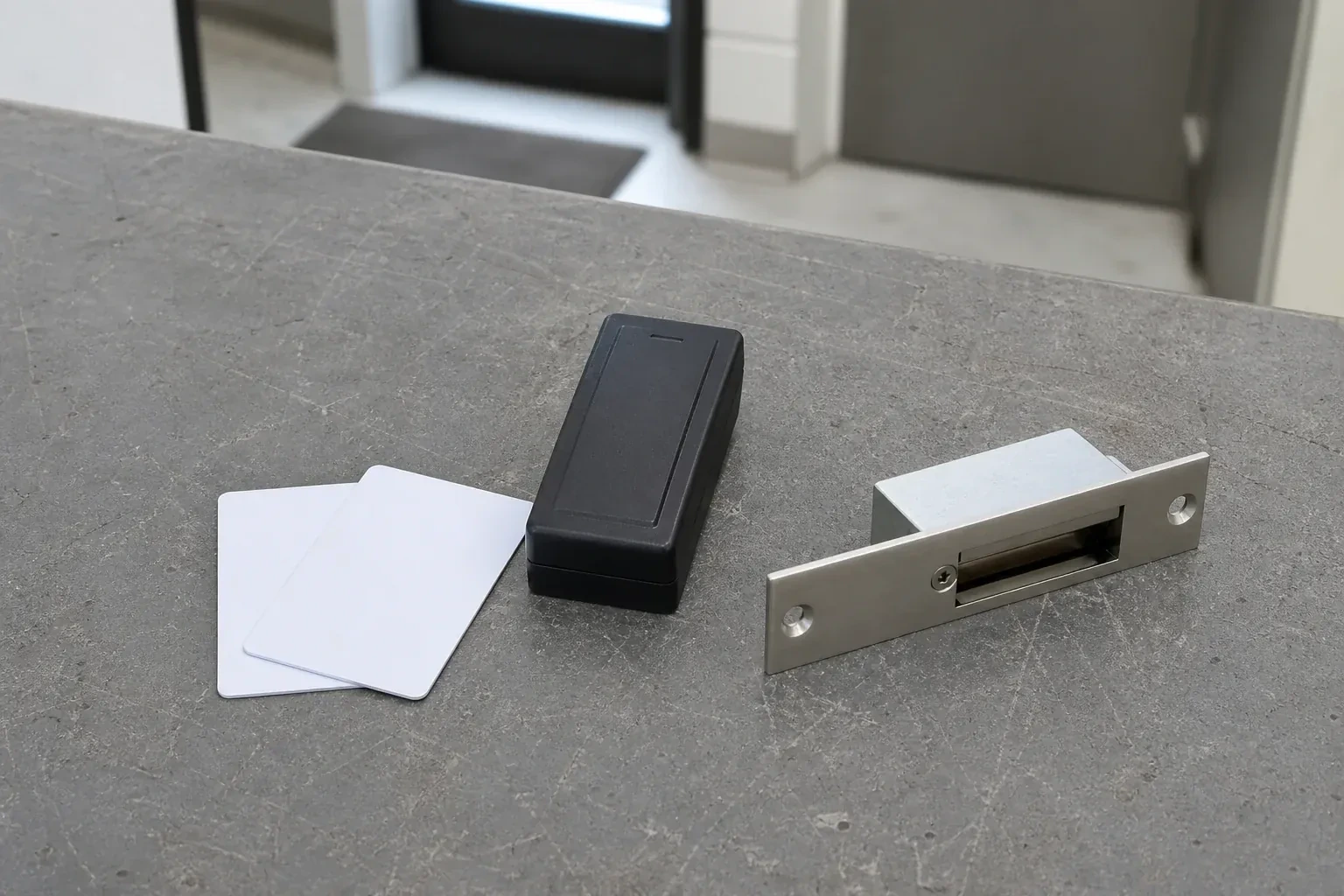 Access Control InstallationThe back door of the shop runs on one key, and by now it lives on six different rings: yours, two managers, a cleaner, a supplier…
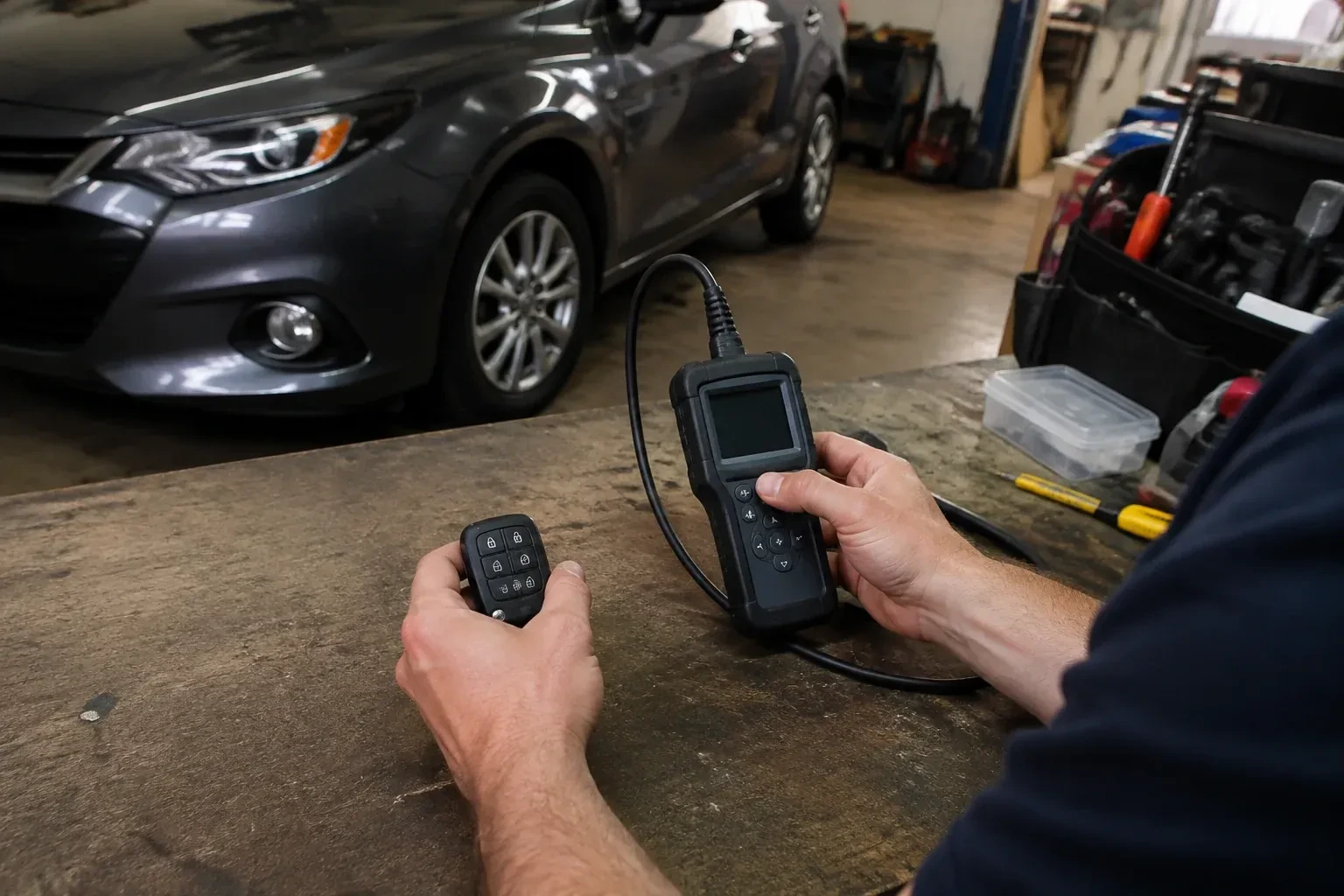 Key Fob ProgrammingThe remote clicks the way it always has, but the vehicle no longer locks, unlocks or answers with its usual chirp.